Deuterocanonical Books
The deuterocanonical books sit inside Catholic and Orthodox Bibles and outside Protestant ones. That makes them the clearest case of a canon that was never quite one list. They are not obscure fragments. These are complete works of history, wisdom and storytelling, and several read better than the books that displaced them.
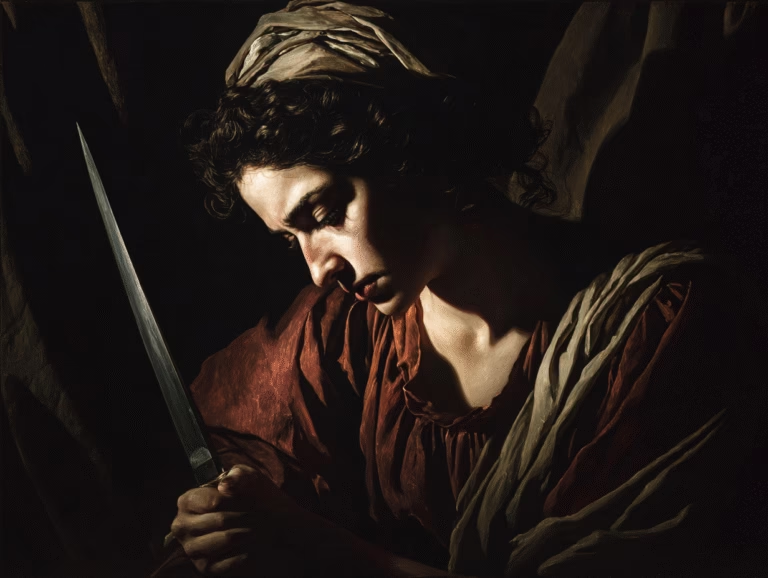
The narratives hold up on their own terms. Tobit is a domestic story with an angel travelling in disguise. Raphael does not say who he is until the last chapter. Judith walks into an enemy camp and out again. The mother of the seven sons in Maccabees faces a king with a composure the Stoics would have recognised. Susanna and Bel and the Dragon are the earliest detective stories anyone wrote down.
The wisdom books are quieter and more useful. Sirach is a working ethics manual from a Jerusalem teacher. The Wisdom of Solomon argues with Greek philosophy in its own language. The Prayer of Manasseh is fifteen lines of repentance, and it outlived the king who supposedly spoke them. Psalm 151 survives in Greek and, since 1956, in Hebrew from a cave.
The Apocrypha Master Collection prints all of these texts together, each one with an introduction.