HIDDEN NARRATIVES BEYOND THE CANON

Jeremy Payton, author of The Complete Apocrypha and The Books of Enoch, seated in a red leather armchair with an open book.
Jeremy Payton, author of The Complete Apocrypha, The Books of Enoch, The Gnostic Gospels and The Book of Revelation.

About Jeremy Payton

Jeremy Payton is a scholar of religious studies and the author of The Apocrypha, The Books of Enoch, The Gnostic Gospels and The Book of Revelation. His subject is the writings the canon left outside: the Apocrypha, the pseudepigrapha, the gospels of Nag Hammadi, the apocalyptic visions of Enoch and John. Scribes copied them faithfully for centuries; then tradition let them go.

Each of his books returns one of those texts to the reader, with the historical context it needs and no sensationalizing: the actual words make the case by themselves. On the blog he takes the same texts one question at a time, from the Watchers of Enoch to the beast of Revelation, in plain prose written for specialists and curious readers alike.

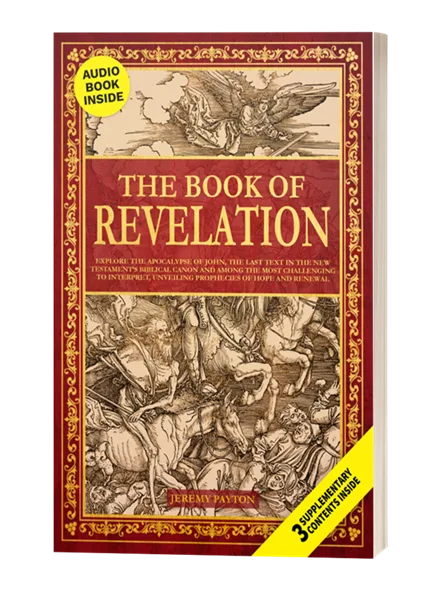
The Book of Revelation

The last book of the New Testament is also the hardest to read: seven seals, seven trumpets, a beast rising from the sea, a woman clothed with the sun, a new Jerusalem coming down from heaven. This edition of The Book of Revelation gives the full text with a commentary that follows John’s visions in order, explains where they came from and what their symbols meant to the first readers, sets them beside the older apocalyptic writings they answer, and draws out the message underneath the imagery: divine justice, the struggle between good and evil, and the hope of a redeemed creation.

The Book of Revelation
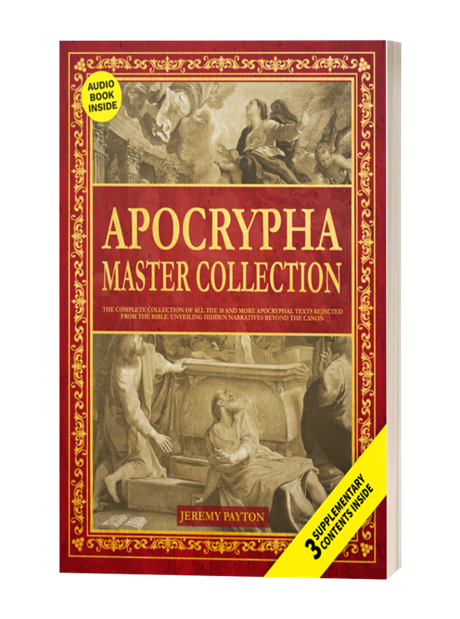
The Apocrypha

The Apocrypha

Eighteen books that stood in the Bible for centuries and then slipped out of most Protestant editions, brought together in one volume. Here are the stories of Tobit, Judith and Susanna, the wisdom of Solomon and Sirach, the wars of the Maccabees, the visions of Esdras, and the prayers and psalms that travelled with them. Clear translations and the historical and theological context of each text make these hidden narratives readable for anyone.

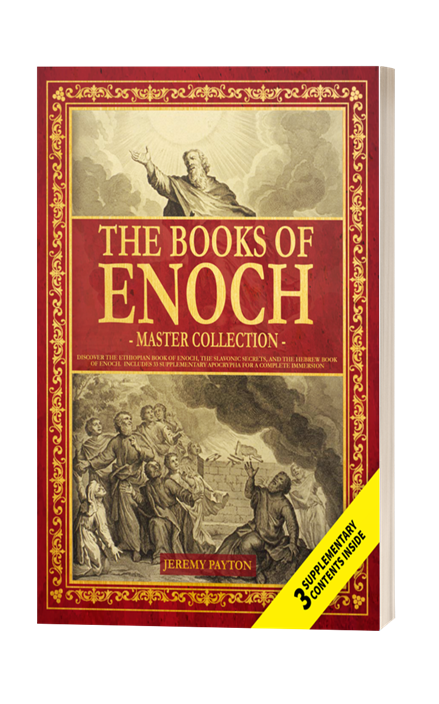
The Books of Enoch

The Books of Enoch

Three books carry Enoch’s name, written centuries apart in three languages, and this volume brings them together. 1 Enoch tells of the Watchers who came down to earth, the birth of the giants and the patriarch’s journeys through the heavens; 2 Enoch, preserved in Slavonic, follows him through the seven heavens; 3 Enoch, from the Hebrew mystical tradition, turns him into the angel Metatron. The commentary traces how these visions of angels and the end of days shaped early Jewish and Christian thought.

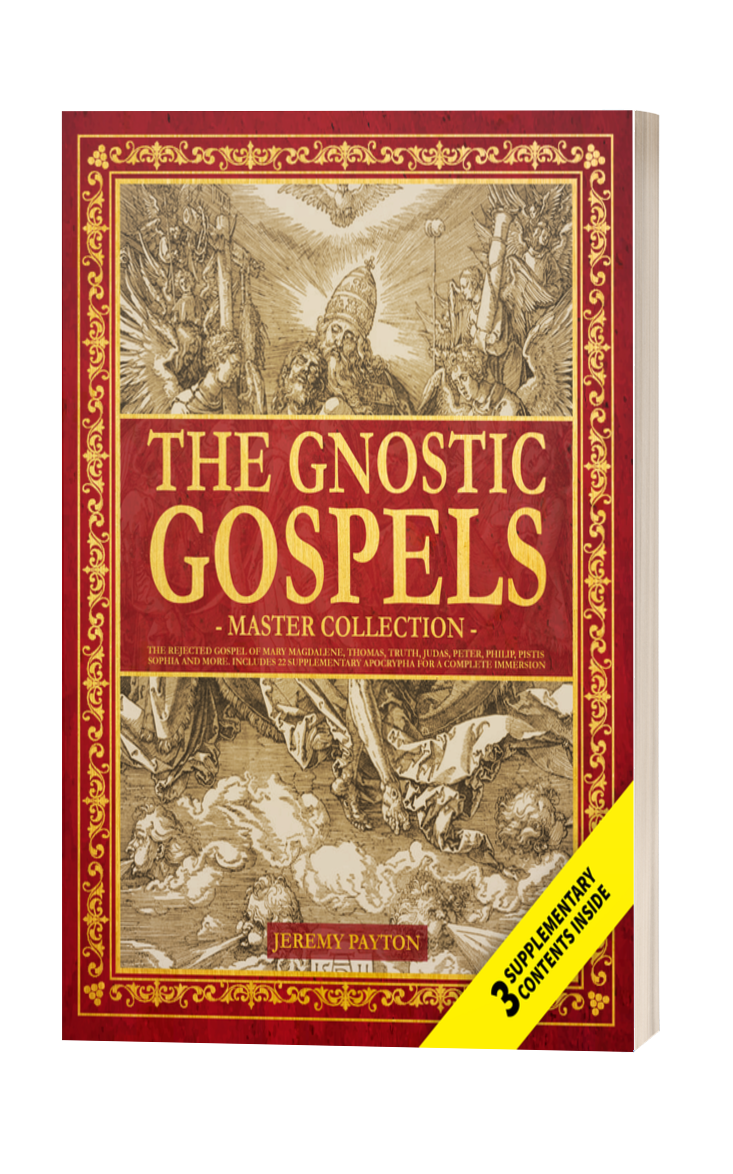
The Gnostic Gospels

The Gnostic Gospels

Fourteen texts from the Christianity that did not make it into the canon, most of them buried in a jar at Nag Hammadi until 1945. Here Thomas collects the sayings of Jesus, Mary Magdalene teaches the disciples, and other voices speak of a hidden knowledge, a divine spark in every person and a world made by a lesser god. Translated and set in their context, they show how many ways there were of being Christian in the first centuries.

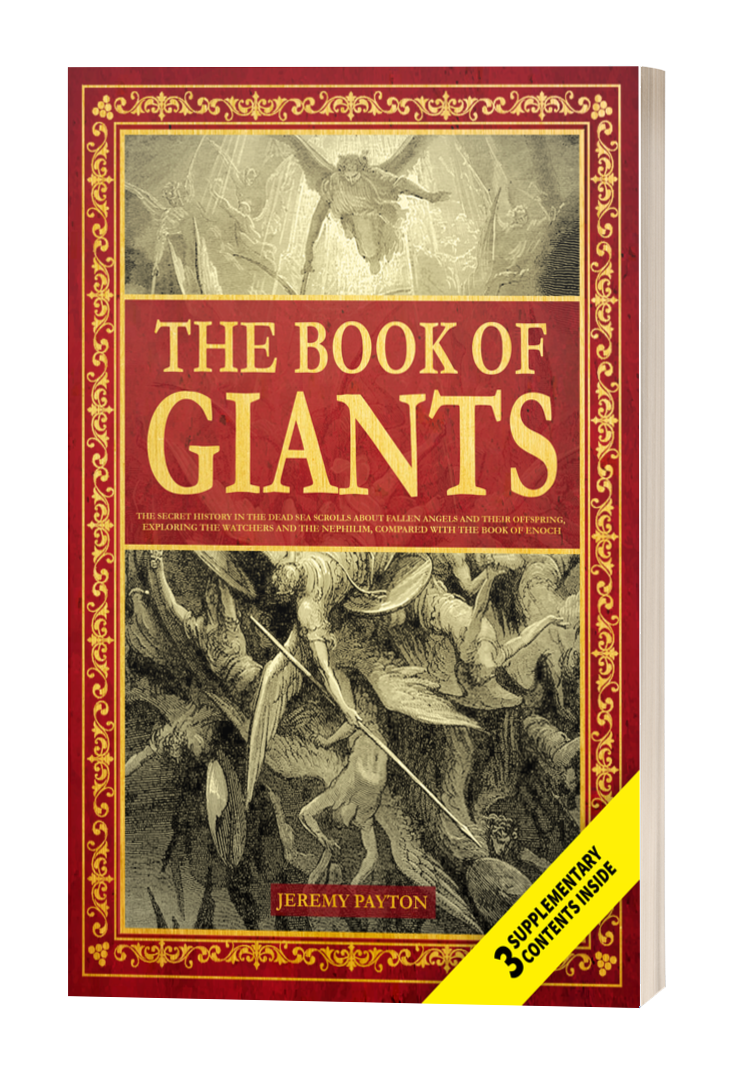
The Book of Giants

The Book of Giants

The Watchers came down from heaven, took human wives, and their children were the giants: the Nephilim of Genesis, the “men of renown”. This book survived only in fragments among the Dead Sea Scrolls at Qumran, and grows out of the same tradition as 1 Enoch. Translation and commentary reconstruct the story, read the Aramaic text against its Enochic roots, and follow the legend of a giant who may have outlived the flood.

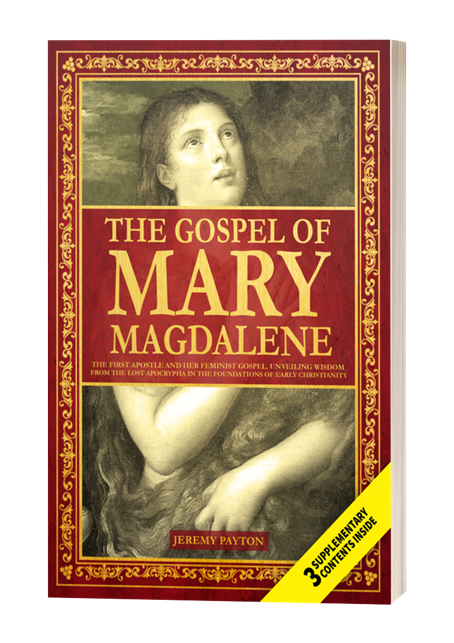
The Gospel of Mary Magdalene

The Gospel of Mary Magdalene

A gospel in which Mary Magdalene is not a penitent but a teacher: after the resurrection she consoles the frightened disciples and passes on what Jesus told her alone, a path of inner knowledge that Peter refuses to accept from a woman. Rediscovered in the late nineteenth century, the text is given here in full, with a commentary on its origins, its teaching and the place of women in the earliest Christian communities.

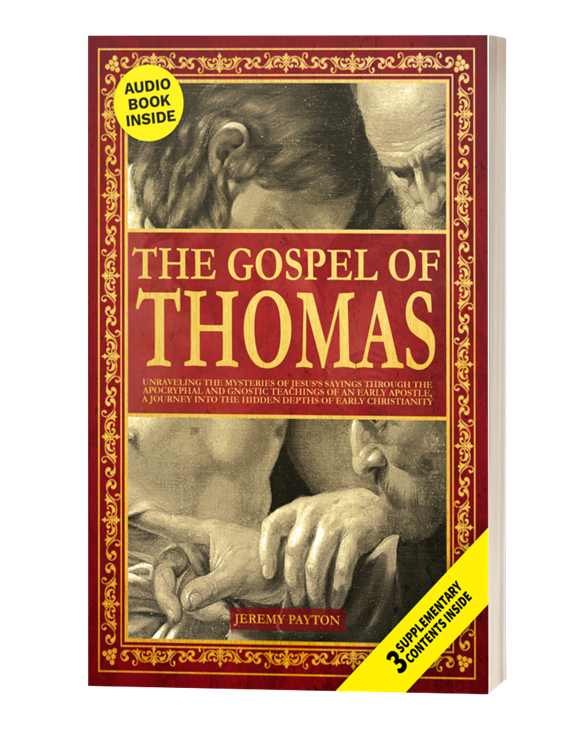
The Gospel of Thomas

The Gospel of Thomas

No story, no miracles, no cross: only a hundred and fourteen sayings of Jesus, “the living Jesus”, written down by Thomas and buried at Nag Hammadi until 1945. Some echo the Gospels of the New Testament, others turn them inside out, pointing to a kingdom that is already here and within. This new translation, with a commentary on each saying, sets Thomas beside the canonical Gospels and shows why it still unsettles readers.

  • Lilith: Tracing the Legend of Adam’s First Wife

    Lilith: Tracing the Legend of Adam’s First Wife

    Almost everyone has heard the story of Lilith, Adam’s first wife. God formed her from the same earth, and she refused to lie beneath him. She spoke the ineffable name and left the garden on her own terms. It is a compelling account, and it appears in no ancient text whatsoever. That statement surprises people,…

    Read more

  • Melchizedek: The Priest-King Who Outranks the Law

    Melchizedek: The Priest-King Who Outranks the Law

    Three verses hold the entire appearance of Melchizedek in the Torah. Those same three verses generated a heavenly deliverer, a Gnostic revealer, a Qumran redeemer, and an argument that reorganized Christian theology. Genesis introduces him without warning: Abraham returns from battle, and a king of Salem meets him with bread and wine. He blesses the…

    Read more

  • Azazel: The Angel Who Taught Humanity Forbidden Knowledge

    Azazel: The Angel Who Taught Humanity Forbidden Knowledge

    Every tradition needs someone to blame, and in the Book of Enoch the blame has a name: Azazel. The accusation against him is remarkable for its specificity, because he did not tempt anyone into disobedience. Nor did he whisper in a garden: instead, according to the text, he taught. He handed humanity a set of…

    Read more

  • Mark of the Beast 616: The Papyrus 115 Cryptogram Controversy

    Mark of the Beast 616: The Papyrus 115 Cryptogram Controversy

    Few numbers carry as much weight as 666. It appears in films, songs and sermons as the sign of ultimate evil. Yet some of the oldest copies of Revelation give a different number. They read 616. This is the puzzle of the Mark of the Beast 616, and a small scrap of papyrus from Egypt…

    Read more

What Readers Say

Verified Amazon reviews, quoted as they were written.