Second Temple Judaism
Second Temple Judaism is the world behind these books, and without it they read like eccentricities. Between the return from exile and the destruction of the temple in seventy, Judaism argued with Greek philosophy. It watched Persian ideas arrive from the east, and it produced far more literature than any canon could hold. These articles supply that context.
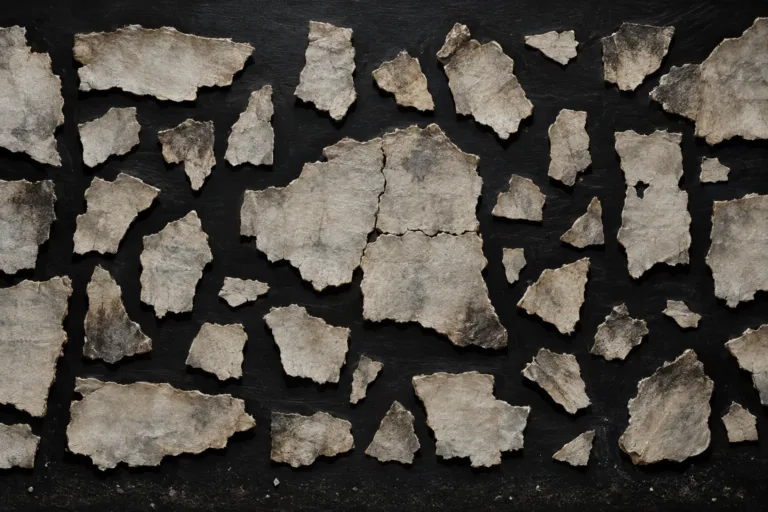
A library found by the Dead Sea changed the whole picture. The scrolls gave scholars Hebrew and Aramaic originals of books known until then only in Ethiopic and Greek. In the Book of Jubilees Genesis runs on a fixed calendar, where nothing falls on the wrong day. The Testaments of the Twelve Patriarchs divide the world between two spirits.
The outside influences are traceable rather than speculative. Zoroastrian dualism left marks on Jewish angelology and eschatology. Hellenistic philosophy shaped how the apocryphal writers argued. Behind their proverbs stands the older wisdom literature of the Near East. The Letter of Aristeas tells the founding legend of the Septuagint. How a title mentioned in passing acquires a text centuries later is the story of the Book of Jasher.
The Books of Enoch: Master Collection holds the largest body of writing to come out of that world.