Mary Magdalene
Ask who was Mary Magdalene and you get an answer other people put together: a penitent, a bride, a symbol. Almost none of it comes from the sources. These articles separate the woman the earliest texts describe from the figure the centuries built on top of her. One of those texts is a gospel in her own name.
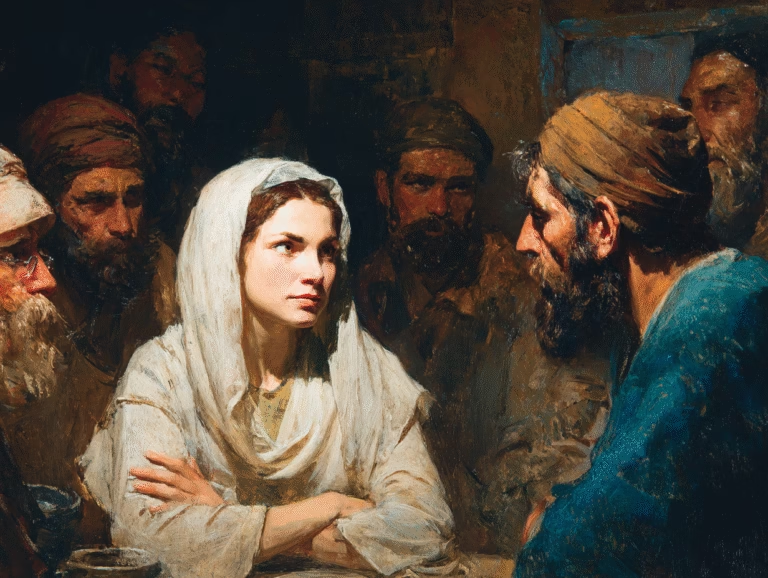
Corrections come first. The misconceptions begin with a sixth-century sermon that fused three women into one. Long before the title became controversial, the church called her apostle to the apostles. The conflict with Peter survives in the gnostic texts themselves. There he objects that the saviour would not have spoken privately to a woman.
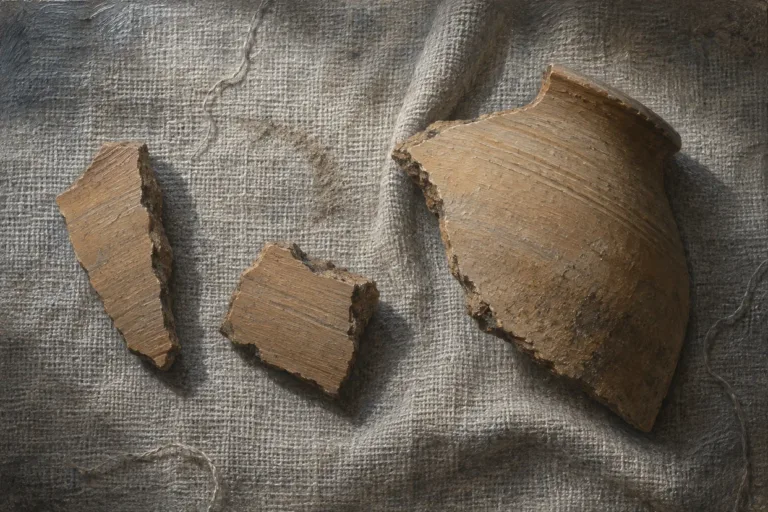
Her gospel survives in pieces. Three copies exist and none of them agree. Several pages are simply missing. What remains describes the ascent of the soul past the powers that try to hold it. Who wrote it and when are still open questions.
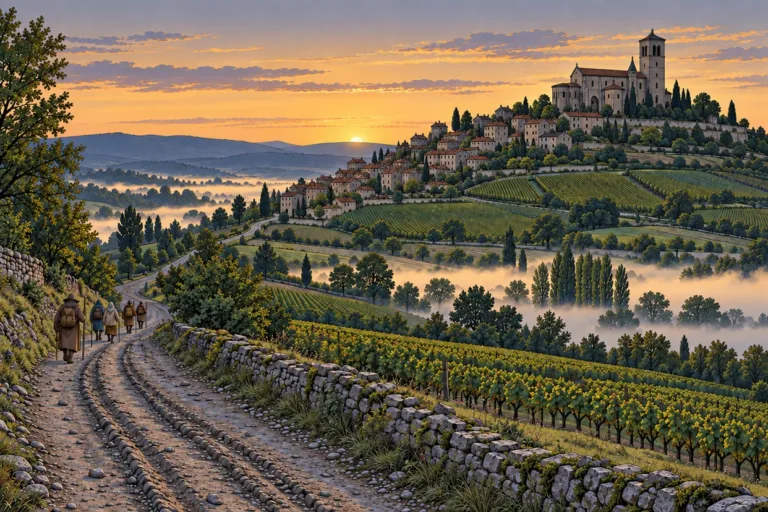
Later material is a subject of its own. The Holy Grail bloodline claim does not survive fact-checking. A whole economy of relics grew up around the pilgrimage to Vezelay. The sacred feminine version of her is a modern construction. For the surviving text with commentary, see The Gospel of Mary Magdalene.