Giants and Nephilim
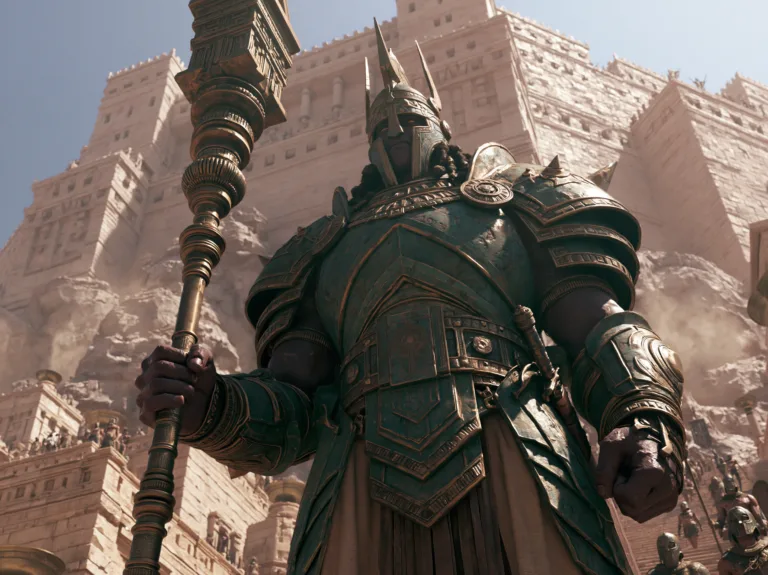
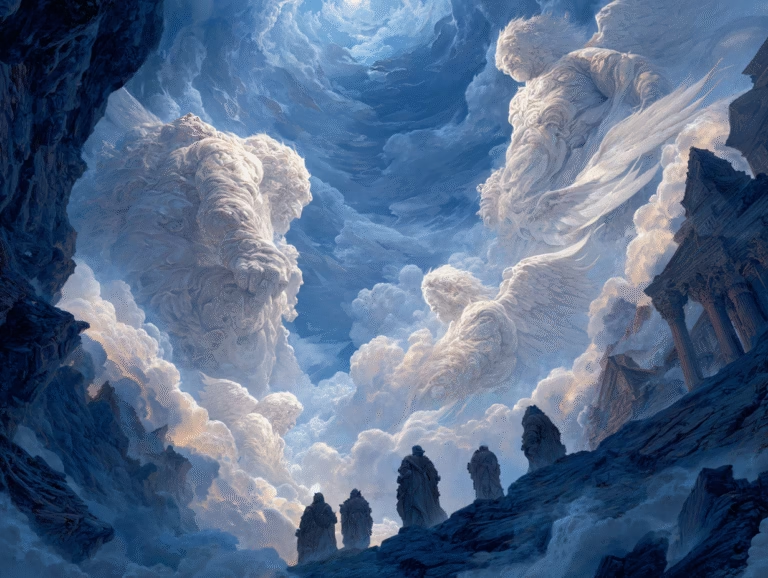
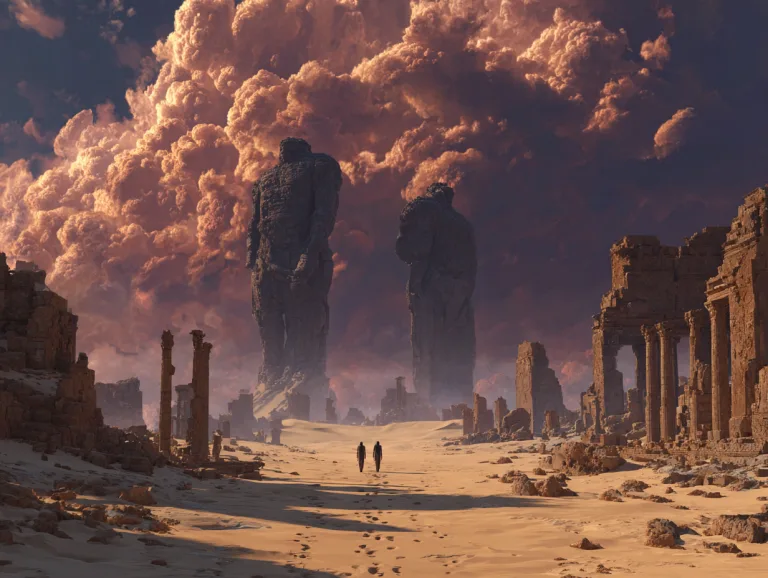
The nephilim giants get one ambiguous sentence in Genesis and an entire book at Qumran. The Book of Giants picks up where the Watchers left off and follows their children. Its giants are enormous, articulate and afraid. They have worked out that the flood is coming for them in particular.
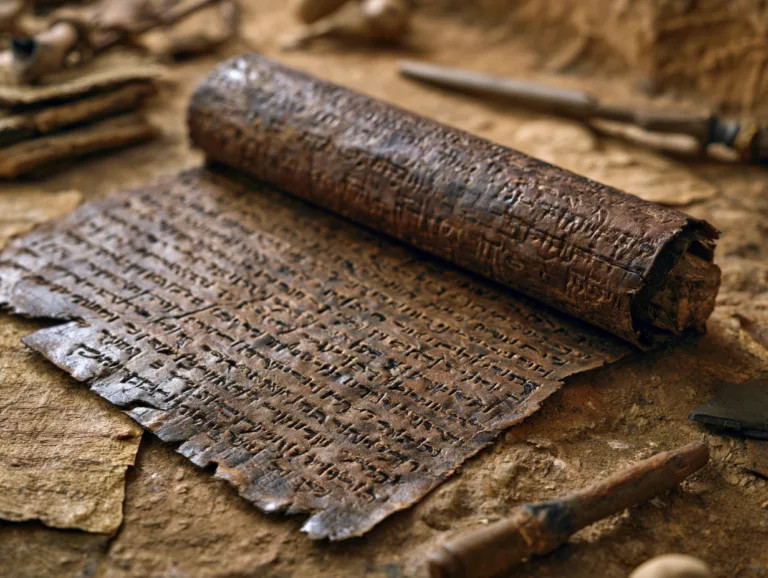
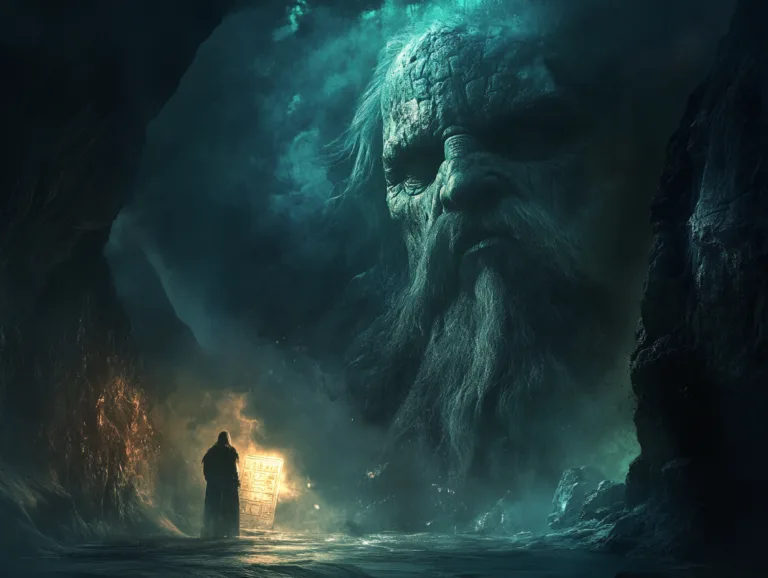
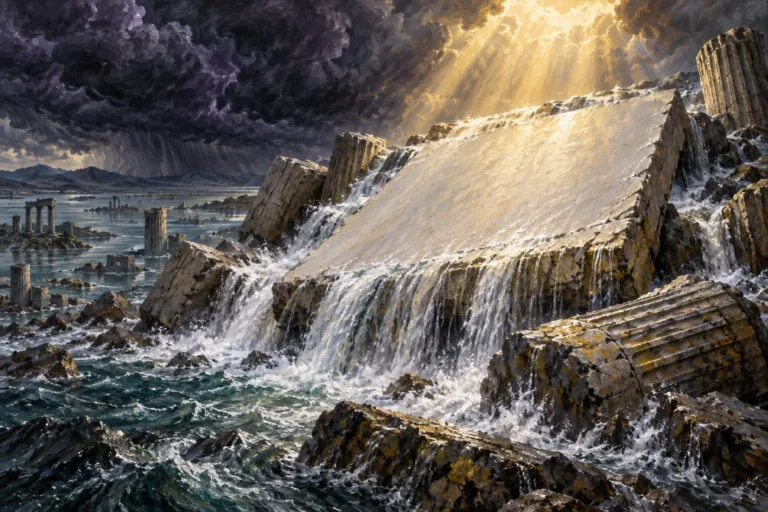
Its narrative is worth knowing in outline. The Watchers and their offspring set the premise. The dreams the giants have are the heart of the book. Ohyah sees a tablet washed clean, and Mahaway flies to Enoch to ask what it means. The answer is not reassuring. What actually survives in Aramaic is the Qumran fragments.
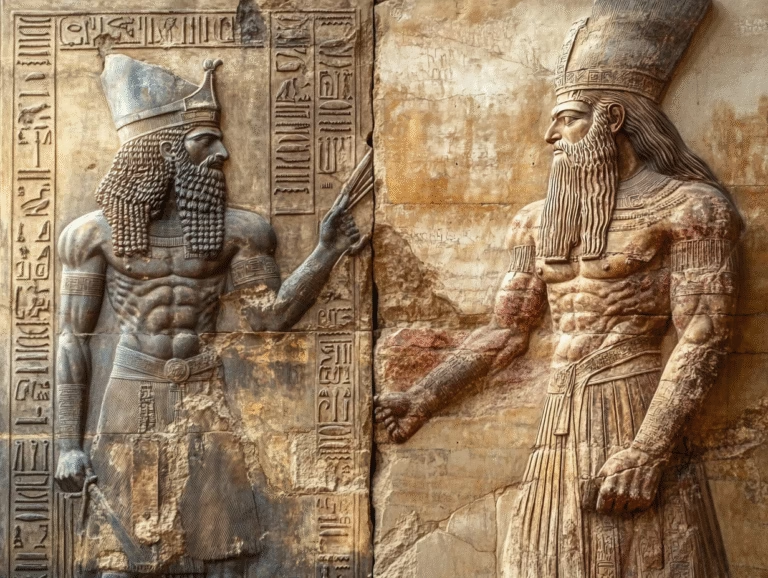
The parallels are the surprise. Gilgamesh appears in the text by name, which puts a Mesopotamian hero inside a Jewish book about fallen angels. Giants elsewhere in the ancient sources show how widely the motif travelled. King Og of Bashan survives in the Bible as a giant with a measurable bed.
The story did not stop when the sect did. The Manichaean version carried the book east as far as Central Asia, in Persian, Sogdian and Uyghur. That was centuries after the community by the Dead Sea had gone. The Book of Giants gathers the reconstructed text and its fragments.