Apocryphal Studies
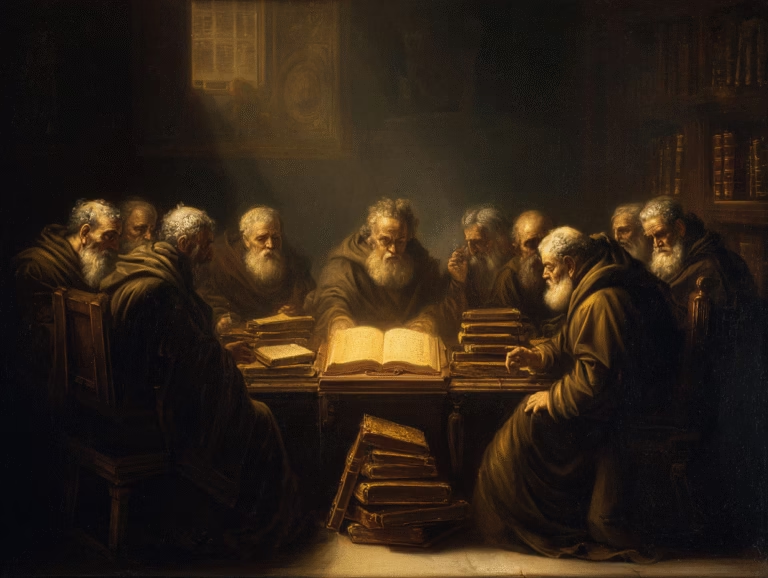
Apocrypha means hidden, and the word has carried a suspicion with it ever since. These writings circulated alongside scripture. Monks copied them, and churches read them aloud. Then a council drew up its list, and they fell outside it. This archive is the way in to everything else on the site. It asks what these books are, who set them apart, and why readers keep coming back.
If the apocrypha meaning is what brought you here, begin with what the word means in a biblical context. Then walk through the timeline of the apocryphal books, which puts each text next to the century that produced it. The harder question comes next: why the apocryphal books left the Bible. The answer involves councils, languages and politics rather than a single verdict.
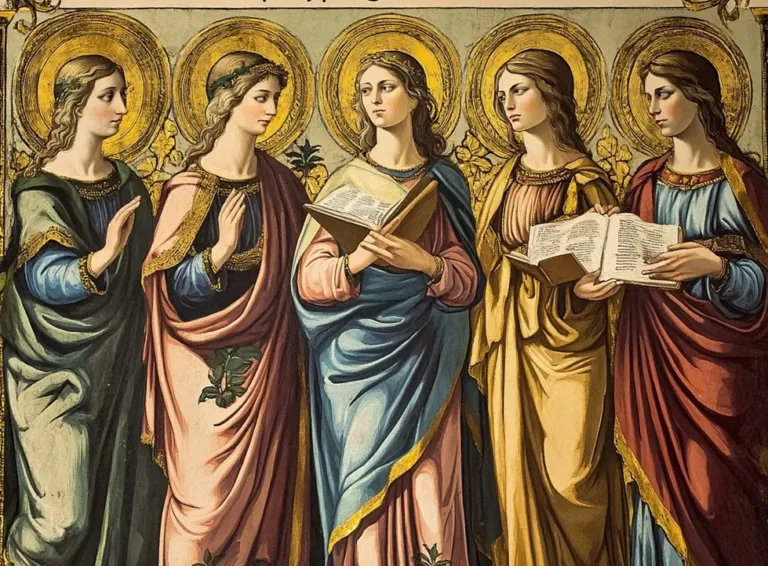
From there the collection opens out. The non-canonical gospels were never a secret library, only books that lost a vote. The role of women in apocryphal texts shows how much of that lost material gave women a voice. A survey of the forgotten scriptures traces the ideas that shaped Christian thought from outside the canon.
Once these articles have given you the map, turn to the Apocrypha Master Collection. It prints each book in full, annotated, with the context that explains it.