
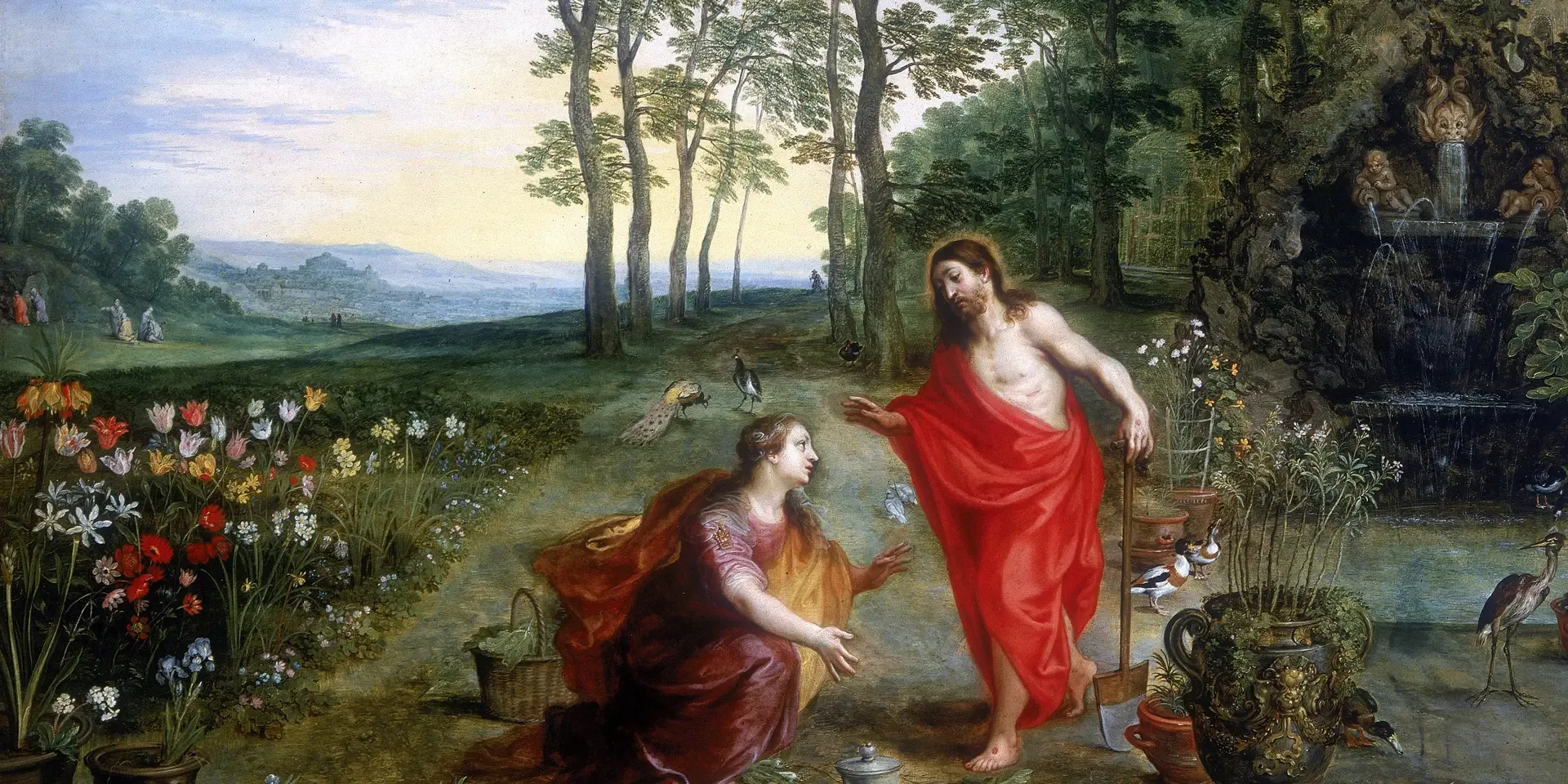
The Gospel of Mary offers a fragmentary yet arresting view of early Christian mysticism, authority, and spiritual freedom. Unlike the four canonical Gospels, this apocryphal work gives Mary Magdalene the decisive interpretive voice after Jesus departs. Moreover, its surviving pages connect inward knowledge, courage, and the soul’s release from hostile powers without reducing faith to institutional obedience.
Readers encounter neither a complete biography of Jesus nor a conventional account of Mary’s life in these damaged manuscripts. Instead, the narrative preserves a post-resurrection dialogue, a private vision, and an argument over who may interpret revelation. Therefore, the work challenges modern assumptions about uniform belief, settled leadership, and fixed boundaries during Christianity’s formative centuries.
Historical Setting of The Gospel of Mary
No surviving manuscript identifies an author, and scholars do not attribute the work directly to Mary Magdalene. Rather, an anonymous Christian writer composed it under her authoritative name, a common ancient practice associated with pseudepigrapha. Scholars usually place its composition in the second century, perhaps between 120 and 180 CE, within the diverse Christian culture of the eastern Mediterranean.
That dating rests on theology, vocabulary, and the age of the surviving witnesses rather than a signed colophon. The Early Christian Writings overview provides the commonly cited range and identifies three fragmentary manuscripts. Although their exact community remains unknown, the text reflects believers comfortable with visions, esoteric instruction, philosophical debate, and a woman’s religious authority.
Modern readers first gained access through the Berlin Codex, which a collector acquired in Cairo during the late nineteenth century. The codex contains a fifth-century Coptic translation, while two smaller third-century Greek fragments preserve parts of an earlier textual form. Consequently, variations among these witnesses reveal the fluid transmission that often shaped ancient Christian manuscripts before standardized editions existed.
The text survives in Coptic and Greek evidence spread across three fragmentary witnesses. However, no complete copy survives, and several opening and central pages have disappeared. The Gnostic Society Library’s manuscript introduction explains that the author wrote in Greek, although most surviving material now comes through Coptic translation.
What The Gospel of Mary Actually Says
The extant story begins during a conversation between the risen Savior and his disciples because the first six pages are missing. He discusses matter, sin, peace, and humanity’s return to its proper root, then commissions the group to proclaim good news. Yet the disciples fear persecution and weep after he leaves, showing that revelation alone has not produced confidence.
Mary responds by comforting the frightened group and turning their attention toward the Savior’s grace. At Peter’s request, she recounts a private vision and explains how the mind perceives the Lord beyond ordinary sensory categories. Thus, her authority rests on spiritual insight and her ability to strengthen others, not on an office or institutional title.
The vision then follows a soul rising past desire, ignorance, and other hostile powers that attempt to restrain it. Each confrontation tests whether the soul still identifies with bodily passion, judgment, violence, and forgetfulness. Finally, the liberated soul reaches silence and rest, presenting salvation as freedom from deception and recognition of one’s spiritual origin.
Conflict interrupts the teaching when Andrew calls Mary’s account strange and Peter questions whether Jesus privately instructed a woman. Mary weeps, but Levi rebukes Peter for treating her like an adversary and affirms the Savior’s choice. Afterward, the disciples depart to preach, although the narrative never fully resolves their disagreement about revelation, gender, or authority.
In the Gnostic Society Library translation, chapter 5, verse 7 gives the Savior’s commission:
Go then and preach the gospel of the Kingdom.
This command supplies the narrative’s outward movement, even though the disciples initially respond with fear rather than boldness. The source article summarized that movement as preaching the good news without fear, and Mary enables precisely that transformation. Therefore, courage emerges through interpretation, communal reassurance, and renewed attention to the teaching they have already received.
Mary Magdalene, Peter, and Spiritual Authority
Mary appears as a leading disciple, interpreter, visionary, and source of stability within the shaken community. Her portrayal differs from a merely supportive companion because she communicates teaching that the male disciples did not receive publicly. For a fuller treatment, women, vision, and Peter’s dispute places this confrontation within early debates about leadership.
Peter’s challenge involves both the content of the revelation and the possibility that Jesus preferred Mary’s understanding. Meanwhile, Andrew rejects the teaching as strange, which shows that gender alone does not exhaust the conflict. The scene also asks a hermeneutical question: should authority depend on public tradition, private vision, moral character, or the spiritual fruit produced within a community?
Levi answers through Mary’s character and the Savior’s discernment, rather than offering an abstract theory of office. His defense exposes pride among disciples who should preach instead of policing another person’s encounter. Accordingly, modern claims about Mary as apostle to the apostles gain added complexity from this apocryphal scene.
The canonical Gospels also place Mary Magdalene near the crucifixion, burial, and empty tomb, with John giving her a resurrection encounter. However, those canonical books do not show her delivering this ascent discourse or defending it against Peter. The apocryphal narrative therefore extends familiar characters into a sharper debate about teaching, legitimacy, and women’s leadership.
Gnosis, Inner Revelation, and Mystical Knowledge
Gnosis means knowledge, but here the term points beyond collected information toward transformed spiritual perception. The Savior directs attention inward, while Mary’s vision presents knowledge as release from ignorance and fear. Consequently, salvation involves recognizing humanity’s deeper origin and refusing the lower forces that define the soul through appetite, confusion, and death.
This inward emphasis can sound radically individualistic to modern readers, yet the narrative remains thoroughly communal. Mary receives a vision privately, but she shares it to steady companions who face a public mission. Moreover, Levi tests her authority through relationship, courage, and the Savior’s regard, showing that inner revelation still enters debate and collective discernment.
The work says little about sacraments, liturgy, formal hierarchy, or detailed ecclesiastical organization. Instead, it emphasizes peace, discernment, vision, and liberation from deceptive attachments. Readers interested in this broader religious setting can compare Mary Magdalene in Gnostic tradition with other texts that grant her unusual interpretive prominence.
Scholars debate whether the label Gnostic clarifies or oversimplifies this gospel because ancient groups rarely fit modern taxonomies neatly. Certainly, its language resembles traditions that stress hidden wisdom, cosmic powers, and inward awakening. Nevertheless, the work lacks the elaborate creation myths that define some works from Nag Hammadi, so cautious comparison serves better than rigid classification.
The Soul’s Ascent Through Cosmic Powers
The ascent scene dramatizes a soul’s movement beyond forces that claim ownership over it. Desire argues that the soul belongs to its realm, while ignorance accuses and attempts to judge the traveler. However, the soul answers each charge with awakened knowledge, ending desire’s control and breaking the temporary fetter of oblivion.
These powers function as cosmic beings, psychological compulsions, or both, depending on a reader’s hermeneutics. Ancient Mediterranean religions often joined moral struggle with layered heavens and hostile rulers, while Hellenistic philosophy also examined passions that enslave reason. Thus, the gospel combines apocalyptic geography with inward transformation rather than separating cosmology from spiritual practice.
The stages include darkness, desire, ignorance, death, fleshly dominion, foolish wisdom, and wrathful wisdom. Together, they portray liberation as more than escaping matter, because judgment and false knowledge also obstruct the soul. The related study of the soul’s ascent develops these esoteric dimensions without treating the surviving sequence as a complete system.
Mystical union remains an interpretive possibility, although the text speaks more directly about rest, silence, and return to one’s root. Therefore, readers should distinguish the manuscript’s words from later theological language placed around them. The fragmentary ending especially warns against turning suggestive images into a seamless doctrine that the damaged scrolls and codices cannot actually supply.
Canonical Gospels and Related Apocryphal Texts
The New Testament Gospels of Matthew, Mark, Luke, and John are canonical within mainstream Christianity. By contrast, Mary’s gospel remains apocryphal and never entered the traditional biblical canon. Both bodies of literature mention resurrection, discipleship, fear, proclamation, and encounters with Jesus, yet they organize those shared themes around different theological concerns.
John’s canonical Gospel values personal encounter and portrays Mary Magdalene announcing that she has seen the Lord. Matthew’s canonical ending also sends disciples outward to teach, whereas this apocryphal account pauses over their fear and internal conflict. Consequently, the noncanonical story resembles familiar resurrection narratives while questioning whether apostolic status guarantees understanding or courage.
Several related works sharpen the comparison without proving direct literary dependence. The Gospel of Thomas and Gospel of Philip are apocryphal sayings or dialogue traditions, while Pistis Sophia is a later apocryphal revelatory work. Readers seeking orientation among such sources can consult an introduction to Gnostic gospels before comparing their distinct cosmologies.
The Gospel of Thomas also highlights hidden sayings and discovery, though it lacks Mary’s sustained ascent narrative. Pistis Sophia gives Mary extensive interpretive speech and stages further conflict about her prominence. Similarly, some apocryphal works elevate private teaching, whereas canonical Pauline epistles discuss sin, redemption, congregational order, and communal discipline more explicitly.
Second Temple Jewish apocalyptic writings often map heavenly realms, angelic powers, judgment, and visionary travel. However, this gospel emerged after that period within a Hellenistic Christian culture where Jewish, Christian, and philosophical vocabularies interacted. Its soul therefore travels through a symbolic cosmos that differs from canonical resurrection hope, yet still addresses fear, mortality, and human allegiance.
Women, Community, and Early Church Diversity
The dispute between Mary and Peter reveals an early Christian argument rather than a simple transcript of one historical meeting. Different communities preserved competing memories about who understood Jesus, who could teach, and which revelations deserved trust. Therefore, the scene challenges romantic pictures of an entirely harmonious apostolic age and exposes the social stakes behind theological disagreement.
Church fathers rarely discussed this work, which suggests that it remained peripheral to developing orthodox institutions. As bishops, creeds, and recognized collections gained influence, communities also rejected or neglected many noncanonical writings. Yet absence from the canon does not make an apocryphal text worthless; instead, it changes the historical questions responsible readers bring to it.
Feminist theologians have consequently used Mary’s leadership to reconsider women’s exclusion from religious authority. Others caution that one literary heroine cannot prove identical practices across all second-century congregations. Both observations matter, because the narrative preserves an imagined possibility of female authority while its conflict also records resistance to that possibility.
Popular culture often treats Mary Magdalene through later misconceptions, sensational secrets, or unsupported claims about romance. Historically grounded study separates those modern stories from ancient evidence and from the much later prostitute tradition. The article on misconceptions about Mary Magdalene helps clarify why her authority here deserves analysis without exaggeration.
Reading the Fragments as Spiritual Practice
Contemporary readers may approach the text with curiosity without treating it as canonical scripture or unquestionable history. Reflective reading can track how fear, desire, and ignorance operate as both cosmic images and human experiences. For example, journaling after each exchange may expose where a reader confuses inherited authority with demonstrated wisdom or mistakes certainty for knowledge.
Group study offers another useful practice because the narrative itself stages disagreement and communal discernment. Participants can compare its post-resurrection setting with canonical passages, then identify where the accounts converge or separate. However, discussion works best when members distinguish manuscript evidence, scholarly reconstruction, personal resonance, and doctrinal commitment instead of blending those categories.
For believers within traditional Christianity, the text may supplement reflection without displacing sacrament, scripture, or community. Other seekers may value its insistence on interior transformation and direct spiritual encounter beyond formal institutions. Either way, Mary’s fearlessness invites careful speech about experience, while Levi’s intervention warns that revelation never excuses contempt for fellow interpreters.
Three practical themes summarize its continuing challenge:
- Reflective attention can expose fear, ignorance, and attachments that narrow spiritual perception.
- Courage allows marginalized voices to speak, while communal testing keeps private claims open to responsible examination.
- Respect for early Christian diversity encourages dialogue without pretending that every ancient text teaches the same theology.
Why This Apocryphal Gospel Matters Today
The manuscript matters because it preserves a Christian path that later canonical boundaries did not include. Its modest length still illuminates debates over revelation, spiritual experience, gender, and institutional authority. Moreover, its gaps remind readers that historians reconstruct early Christianity from damaged evidence rather than from a complete archive of beliefs and communities.
For spiritual readers, the soul’s confrontation with desire and ignorance offers a language for inward change. For historians, Peter’s resistance and Levi’s defense display rival claims about legitimate teaching. Meanwhile, literary readers can see how dialogue, tears, accusation, and vindication turn abstract theology into a tense drama about who receives a hearing.
The text also resists easy appropriation by either orthodox defenders or modern spiritual individualists. It questions external law and proud leadership, yet it sends disciples into shared proclamation rather than private escape. Thus, its deepest value may lie in the unresolved contradiction between inward authority and communal accountability, a problem that religious communities still negotiate.
Frequently Asked Questions
Who wrote this gospel?
No named author survives, and scholars do not regard Mary Magdalene as the direct writer. Instead, an anonymous second-century Christian author used her name and authority within a pseudepigraphal literary convention. The composition’s exact location and community remain uncertain.
Is this text part of the Bible?
No mainstream Christian canon includes it, so scholars classify the work as apocryphal or noncanonical. Nevertheless, historians study it as evidence for the diversity of early Christian thought. Canonical status and historical importance answer different questions.
Does the gospel present Mary as a church leader?
The narrative presents Mary as teacher, visionary, comforter, and trusted interpreter, although it assigns no formal office. Peter and Andrew challenge her, while Levi defends her authority. Therefore, the scene supports debate about women’s leadership without documenting every community’s actual practice.
Is the work simply a Gnostic gospel?
Its gnosis, ascent, and cosmic powers invite comparison with Gnostic literature. However, scholars debate the category because the text lacks some elaborate myths found elsewhere. Careful readers can note family resemblances without forcing several diverse movements into one system.
Keep the Questions Open
These fragments invite reflection precisely because they preserve conflict rather than effortless agreement. Mary’s vision challenges inherited boundaries, while Peter’s suspicion asks how any community tests private revelation. Finally, the missing pages leave humility as the soundest historical posture, allowing curiosity and disciplined comparison to remain in conversation.
Check out the author’s book here: The Gospel of Mary Magdalene.