
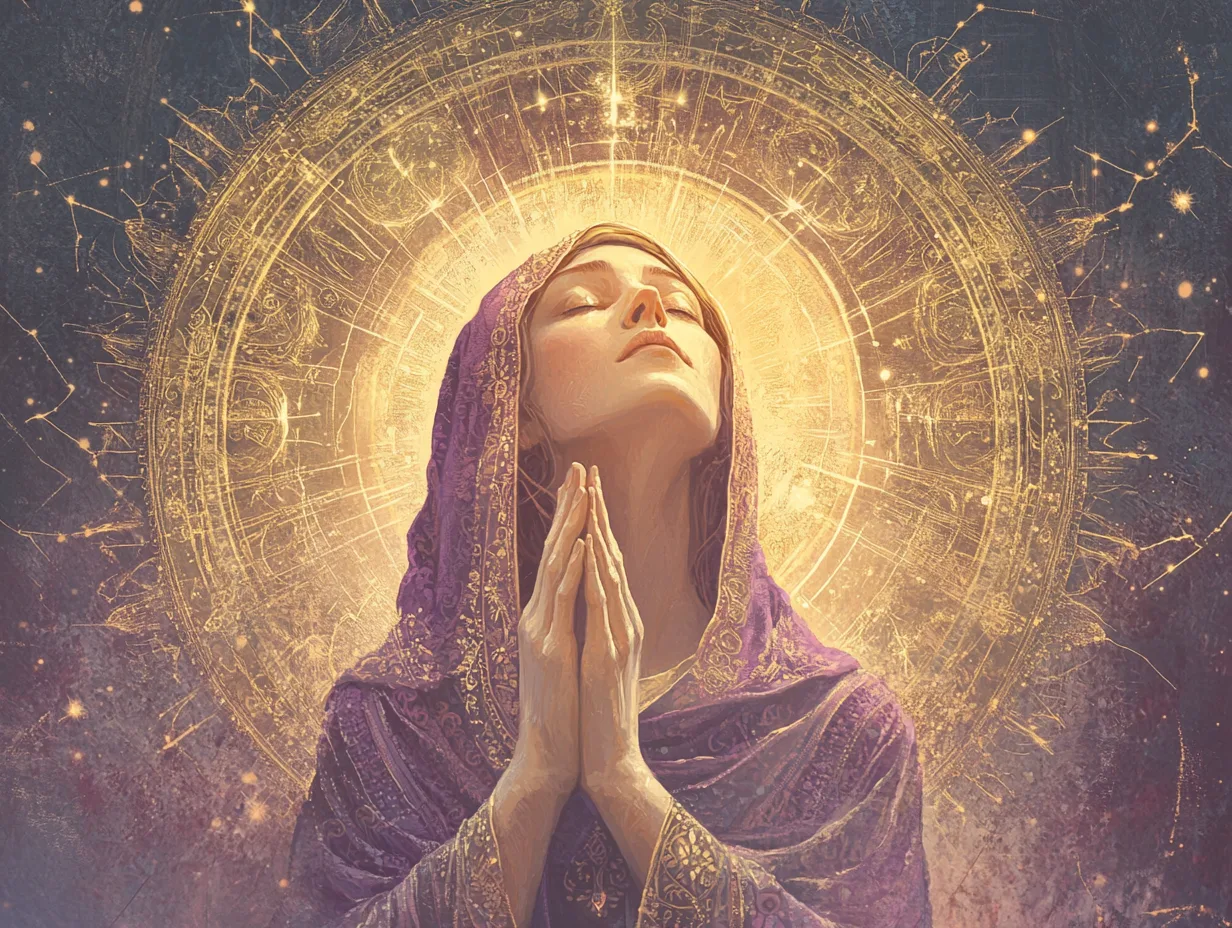
The Pistis Sophia Book presents one of Gnostic Christianity’s most sustained dramas of divine wisdom, error, repentance, and restoration. Its risen Jesus teaches disciples about invisible realms while Pistis Sophia struggles against hostile powers below her proper station. Although Christian language fills the work, no church placed it within the canonical New Testament. Instead, scholars study it as an apocryphal Gnostic text whose unusual cosmology expands our picture of ancient Christian debate.
Historical Context of the Pistis Sophia Book
Scholars generally place the work’s composition in the third or fourth century CE, although they continue to dispute its exact date. Its unknown authors probably wrote in Greek within an Egyptian Christian culture shaped by Hellenistic philosophy, biblical interpretation, and ritual practice. Later, Egyptian scribes translated the material into Coptic, the surviving manuscript’s language; therefore, the text reflects several cultural layers rather than one isolated authorial moment.
The Pistis Sophia Book reached modern readers through the Askew Codex, a parchment manuscript that came to European attention during the late eighteenth century. Anthony Askew acquired the codex in 1772, and the British Museum later received his collection. Because no complete Greek copy survives, editors must work from Coptic wording that sometimes preserves Greek technical terms; the resulting difficulties fuel arguments about sequence, sources, and unity.
Early Christian Writings provides a concise dating overview, while the Gnostic Society Library hosts an accessible translation. However, dating the Pistis Sophia Book cannot eliminate uncertainty about the original setting or the number of authors. Different sections shift vocabulary, ritual emphasis, and narrative pace, so many scholars suspect several stages of composition; such source criticism treats variation as historical evidence, not merely defective storytelling.
The Pistis Sophia Book belongs to late antique Egypt, not to the earlier Second Temple period that produced much Jewish apocalyptic literature. Nevertheless, it inherits apocalyptic habits: heavenly journeys, ranked powers, revealed secrets, judgment scenes, and a universe mapped beyond ordinary sight. Readers can compare those habits with Origin of the World Gnosticism, another account of cosmic disorder; the comparison reveals shared questions without forcing both texts into one system.
What the Pistis Sophia Book Actually Says
The Pistis Sophia Book opens after Jesus has risen, and he remains with his disciples for eleven years while teaching hidden mysteries. Then a brilliant power transforms his appearance, and he ascends through the heavens before returning to explain what occurred. Mary Magdalene, Peter, John, Philip, Martha, and others repeatedly ask questions or interpret scripture; consequently, revelation develops through dialogue rather than through a continuous biography of Jesus.
Pistis Sophia once inhabits the thirteenth aeon, where she sees a light above and longs to reach it. The self-willed power Authades deceives her with a false light, drawing her downward into chaos. There, his emanations seize her power and afflict her, especially the lion-faced power that leads them. However, Sophia recognizes her error, turns toward the higher light, and begins a long sequence of repentances.
Jesus recounts thirteen repentances, and disciples connect Sophia’s words with psalms or other scriptural passages. Her repeated pleas do not produce an instant escape, because the drama presents restoration as a gradual cosmic process. Eventually, divine assistance weakens her enemies and lifts her from chaos toward a safer region. The pattern joins lament, scriptural hermeneutics, and revelation into a story about knowledge recovered through persistence.
After Sophia’s main cycle, the Pistis Sophia Book devotes extensive attention to mysteries, baptisms, seals, punishments, and the soul’s fate. Jesus describes rulers who test souls and formulas that allow properly prepared initiates to pass them. Meanwhile, disciples ask about repentance, grave sins, and mercy’s limits; the text therefore combines a mythic rescue story with instruction for a worshiping community.
The principal speakers and powers include:
- Pistis Sophia, a feminine figure of faith and wisdom who falls from her aeon and seeks restoration.
- Jesus, the risen revealer who explains cosmic events, mysteries, judgment, and the routes of ascending souls.
- Mary Magdalene, the most active interpreter, whose confident answers repeatedly earn praise from Jesus.
- Authades, or the self-willed power, who creates hostile emanations and directs them against Sophia below.
- The archons, receivers, and other powers who govern regions through which souls may travel after death.
Divine Feminine Wisdom and Sophia’s Fall
Sophia means “wisdom,” yet this figure does not simply represent a serene goddess or an uncomplicated feminist symbol. She possesses a place among divine powers, but desire for higher light exposes her to deception and suffering. Therefore, vulnerability and spiritual authority remain inseparable throughout her story; The Myth of Sophia offers useful background for comparing her fall with other Gnostic versions.
Some modern readers see Sophia as a corrective to exclusively masculine pictures of divinity. That reading has genuine interpretive power, especially because her speech, suffering, and perseverance occupy so much narrative space. However, the ancient text also makes the male Christ her rescuer and locates authority within a complex hierarchy. A historically grounded reading should hold those tensions together rather than converting Sophia into a modern slogan.
Mary Magdalene adds another dimension to the work’s feminine voices, because she interprets more often than any other disciple. Peter even complains about her prominence, creating an internal conflict over who may speak with authority. Yet Jesus continues to welcome interpretive insight from Mary and other women. The pattern complements discussions of Mary Magdalene in Gnostic Tradition without equating Mary with Sophia.
The text also differs from myths where Sophia directly causes the material cosmos through a solitary mistake. Here, her central crisis concerns pursuit of deceptive light, loss of power, repentance, and rescue from chaos. Therefore, readers should resist importing every feature of the Secret Book of John into this account. Gnostic writings share names and structures, yet they frequently rearrange those elements for distinct theological purposes.
Pistis Sophia Book Teachings on Gnosis and Ascent
Gnosis in the Pistis Sophia Book includes revealed understanding, but it never functions as information alone. Jesus gives names, seals, numerical patterns, prayers, and ritual mysteries that equip souls for passage through dangerous regions. Moreover, ethical conduct matters because wrongdoing can expose a soul to judgment and hostile receivers. Knowledge, ritual, repentance, and divine aid consequently operate together rather than as rival paths.
The cosmos contains aeons, treasuries, orders, rulers, and spaces of punishment arranged in difficult hierarchies. Such detail can overwhelm a first reading, especially when translations vary in their technical vocabulary. Nevertheless, the structure dramatizes a basic claim: spiritual freedom requires orientation within a morally charged universe. The map gives narrative form to ignorance, danger, purification, and return.
The following comparison clarifies several recurring terms without pretending that every Gnostic school used them identically:
| Term | Role in this text | Wider religious comparison |
|---|---|---|
| Aeon | A divine realm, order, or power within the cosmic hierarchy | Other Gnostic texts also arrange emanations in named aeons |
| Archon | A ruler associated with lower regions and obstacles | Jewish and Christian apocalyptic works portray hostile heavenly powers |
| Mystery | A revealed rite or saving operation taught by Jesus | Early Christian communities also practiced baptism and sacred meals |
| Gnosis | Transforming knowledge joined with revelation and practice | Canonical writings value knowledge but reject this exact cosmic system |
| Repentance | Sophia’s repeated appeal toward the higher light | Biblical psalms and Christian preaching likewise connect confession with mercy |
The text’s rites distinguish it from a purely philosophical treatise. Although modern readers often approach Gnosticism as a set of ideas, ancient adherents also prayed, baptized, interpreted, and imagined communal boundaries. Thus, the work preserves clues about practice as well as speculation. What Is Gnosticism places those practices within the movement’s broader diversity.
Canonical, Apocryphal, and Gnostic Comparisons
The four canonical Gospels—Matthew, Mark, Luke, and John—tell Jesus’s ministry, death, and resurrection within first-century settings. By contrast, the apocryphal Pistis Sophia Book places lengthy cosmic teaching after the resurrection and extends that instruction across eleven years. The canonical Gospels contain private explanations and resurrection appearances, but they do not present Sophia’s thirteen repentances. This difference shows how later Christians developed the revelatory possibilities of the risen Christ.
John’s canonical Gospel offers a productive comparison because it connects Christ with divine life, light, and preexistent reality. John 1:1, in the King James Version, reads:
In the beginning was the Word, and the Word was with God, and the Word was God.
Pistis Sophia also speaks about transcendent light, yet its crowded hierarchy differs sharply from John’s concentrated language about the Word. Therefore, shared vocabulary does not prove an identical theology. Readers must examine how each work organizes salvation, revelation, and divine agency. The Bible Gateway text of John 1 supplies the canonical context for that brief quotation.
The Gospel of Mary remains apocryphal and probably pseudepigraphal, since its unknown author wrote under an authoritative apostolic name. Like Pistis Sophia, it gives Mary a prominent role and describes a soul confronting hostile powers. However, its surviving narrative remains much shorter and far less crowded with ritual formulas. Both works challenge simple claims that ancient Christianity spoke with one voice.
The Secret Book of John also belongs to apocryphal, pseudepigraphal Gnostic literature, although its cosmology follows another pattern. It emphasizes divine emanations, Sophia’s crisis, the arrogant creator Yaldabaoth, and humanity’s imprisonment in material existence. In contrast, Pistis Sophia concentrates on repeated repentances and post-resurrection instruction. Gospel of Mary Magdalene Explained: Secret Teachings Revealed helps situate such secret dialogues among related discoveries.
Jewish pseudepigrapha and canonical Revelation provide another comparison through ascent, judgment, angels, and symbolic geography. Revelation belongs to the Christian canon, whereas works such as 1 Enoch remain noncanonical in most Christian traditions. Yet Pistis Sophia does not simply continue Second Temple apocalyptic expectations about history’s approaching end. Instead, it turns cosmic disclosure toward ritual passage, repentance, and the soul’s individual destiny.
Manuscript Questions and Competing Interpretations
The Pistis Sophia Book survives in the Askew Codex, which preserves four major divisions, although modern titles can imply more unity than the manuscript proves. Changes in subject and style have encouraged theories about separate source documents or editorial layers. However, reconstruction remains difficult because scholars lack the presumed Greek original and comparable copies. Any confident account of one author, date, or sect therefore exceeds the surviving evidence.
Older scholarship often assigned Gnostic writings to neatly bounded schools, but recent study usually treats those labels with caution. “Gnosticism” still names useful recurring features, including cosmic hierarchy, flawed rulers, saving knowledge, and alienation from ordinary existence. Nevertheless, no single checklist explains every manuscript. The divine feminine in early Gnostic texts appears differently across sources and communities.
Translation creates further problems because technical Coptic words may represent specialized Greek terms whose meanings shifted between groups. Editors must decide when to translate a title and when to preserve a transliteration. Consequently, English versions can make the same passage sound either devotional or mechanically esoteric. Comparing translations reveals interpretive decisions that a smooth modern rendering may conceal.
The work’s relationship to mainstream Christianity also resists simple labels. It reveres Jesus, uses biblical psalms, values repentance, and imagines moral judgment, yet its cosmology departs from later creeds. Thus, calling it “Christian” identifies its central language and characters without making it canonical or orthodox. Calling it “Gnostic” identifies a family resemblance, not a complete institutional biography.
Why the Text Matters for Readers Today
Modern readers encounter a record of Christians arguing about revelation, authority, gender, scripture, and salvation before later boundaries looked inevitable. The text therefore widens historical imagination without requiring anyone to accept its cosmic map. It shows that ancient believers asked how divine light reaches a damaged world and how error might yield to restoration. Those questions remain recognizable even when the proposed heavens feel remote.
Sophia’s persistence can also support psychological or spiritual readings, provided those readings acknowledge their modern setting. Her laments describe disorientation, false attraction, resistance, and renewed appeal toward a trusted source of light. However, historical interpretation should not reduce an ancient ritual myth to self-help advice. The distance between ancient cosmology and modern experience creates the most productive conversation.
For historians, Mary’s prominence demonstrates that some Christian authors imagined women as capable interpreters of difficult revelation. For theologians, Sophia raises questions about feminine imagery and dependence within accounts of divine wisdom. Meanwhile, literary readers can follow repetition as a deliberate device that makes repentance cumulative. Each approach notices something real, although none exhausts the manuscript.
The greatest value may lie in the work’s unresolved contradictions. Sophia appears exalted yet vulnerable, knowledge saves yet ritual also matters, and mercy operates beside elaborate punishment. Moreover, Jesus teaches familiar ethical concerns inside an unfamiliar universe of seals and archons. Such tensions discourage both easy dismissal and romantic idealization.
Frequently Asked Questions
Is Pistis Sophia part of the Bible?
No Christian tradition includes it in the New Testament canon. Scholars classify it as an apocryphal Gnostic Christian work from late antiquity.
Who wrote Pistis Sophia?
The author or authors remain unknown. Therefore, scholars infer an Egyptian setting, a Greek compositional background, and several possible editorial stages from the Coptic manuscript.
Why does Mary Magdalene speak so often?
Mary functions as the leading disciple-interpreter in much of the dialogue. Her prominence highlights debates about insight and authority within some ancient Christian communities.
Does Sophia represent the divine feminine?
She clearly personifies wisdom in feminine form. However, her dependence on Christ and her hierarchical setting complicate any direct identification with modern feminist theology.
Keep Thinking About Hidden Wisdom
The Pistis Sophia Book rewards patient reading because its strangeness exposes possibilities that later Christian canons left outside their boundaries. Its manuscript history counsels humility, while Sophia’s repeated appeals keep wisdom connected with error, endurance, and hope. Finally, the dialogue asks whether revelation liberates through ideas, rituals, moral change, or some combination of all three. That open question deserves reflection beyond any single doctrinal answer.
Check out the author’s book here: The Gnostic Gospels.

Leave a Reply